SPRAT Rope Access Level I Training
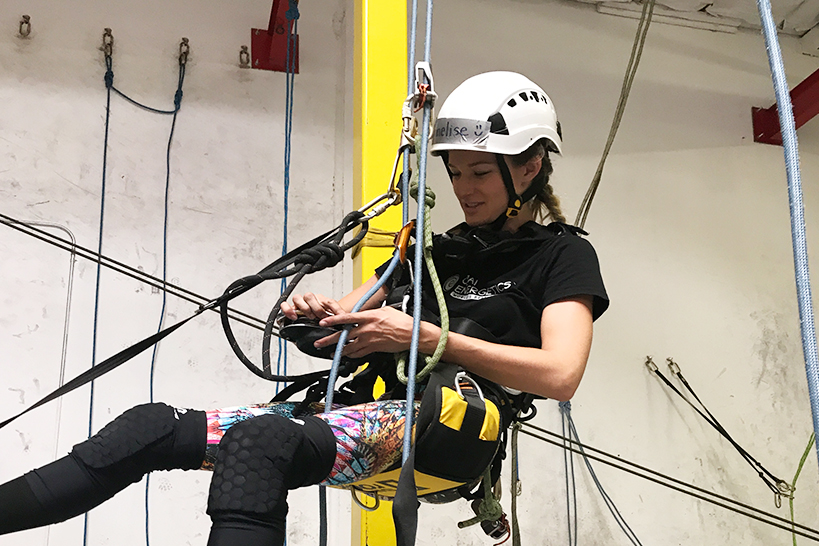
Developed for participants with no prior experience, the SPRAT rope access level 1 training course teaches the basic skills required to work safely on a two-rope system and prepares for the SPRAT Evaluation written examination. Students must be at least 18 years old, verified by government-issued identification. With veteran instructors, innovative equipment, and a proven track record, Altius Technical Services can help you prepare to work in environments in which ropes and associated equipment are used to gain access to hard-to-reach or at-height locations. Click here for pricing information on a SPRAT certification.
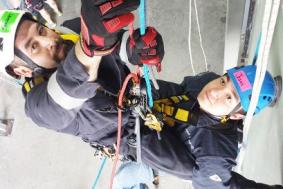
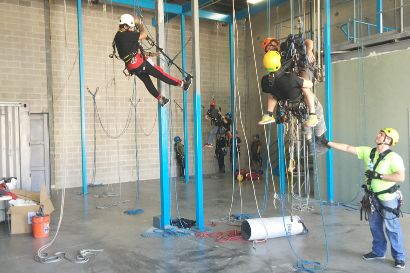
This course is ideal for entry-level technicians and includes the following:
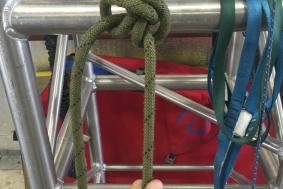
- Level 1 knots
- Equipment inspection, maintenance, and use
- Ascending system use
- Descending system use
- Transferring from rope to rope
- Belaying methods, techniques and best practices
- Short and long re-belays
- Passing knots in ascent and descent
- Work seat or bosun’s chair use
- Two-rope system load movement
- At-height rope worker situational discussions, including fall factors, minimum breaking strengths, and safe working habits
- Job safety awareness
Students complete the above coursework over a five-day period under the supervision of certified SPRAT evaluators, with four days of training followed by one day of assessment.
Frequently Asked Questions
What are SPRAT requirements for Level 1 certification?
To meet SPRAT certification requirements for Level 1, students must be at least 18 years old, verified by government-issued identification, and complete the five-day SPRAT Level 1 course — four days of training followed by one day of assessment under the supervision of certified SPRAT evaluators. No prior rope access experience is needed; the course is designed for entry-level participants. Students should also review Altius Technical Services' physical requirements before enrolling to confirm they're prepared for the demands of the training.
How to be SPRAT certified?
To be SPRAT certified at Level 1 with Altius Technical Services, enroll in a five-day SPRAT Level 1 rope access worker course at one of our training centers in Atlanta, Houston, Las Vegas, New Orleans, or Cape Town. The course covers Level 1 knots, ascending and descending system use, belaying, work seat use, two-rope system load movement, and job safety awareness — followed by the SPRAT 1 test on the final day. Once you pass both the practical evaluation and written exam under a certified SPRAT evaluator, you earn your SPRAT 1 certification. View available dates on the course calendar to book your course.
What is the SPRAT certification cost?
SPRAT certification cost varies by course level and location. For current SPRAT Level 1 training pricing and details on what's included with your course fee, visit our pricing page or contact our team directly for a quote tailored to your group or individual booking.
SPRAT vs. IRATA certification — which is right for me?SPRAT and IRATA are both internationally recognized rope access certification programs, but they differ in structure, examination format, and global recognition. SPRAT is more common in North America, while IRATA has broader recognition internationally. If you're deciding between SPRAT or IRATA certification, our team can help you choose based on your career path and the markets you plan to work in — explore which certification is right for you for a side-by-side comparison.
Can I earn both SPRAT and IRATA certification in one course?
Yes. Altius Technical Services offers SPRAT and IRATA dual courses so you can earn both certifications in a single training block — a cost- and time-efficient option for technicians who want maximum flexibility across job sites and regions. If you're weighing SPRAT or IRATA certification individually, dual certification often delivers the strongest career value.

.jpg)

Altius Technical Services is a SPRAT-approved full trainer headquartered in Las Vegas, Nevada. We have high-class training centers conveniently located in Atlanta, Georgia, Houston, Texas, and New Orleans, Louisiana, in the United States of America, and Cape Town in South Africa.
OUR LOCATIONS
Get Started Today
Contact
Full Member of the Industrial Rope Access Trade Association - IRATA
EMS Safety - Emergency Care Training Certified Instructor
Corporate Member of The Society of Professional Rope Access Technicians - SPRAT
We live by our company motto of "Altius, Velocius, Tutius - Higher, Faster, Safer" in all aspects of our work, both operationally and in the training we provide.
